Basement insulation in Lancaster CA - a warmer basement, insulated in the right order
Cold basement walls or chilly floors above them? We fit the method to bare or finished walls and keep insulation off damp concrete.
How should I insulate my basement in Lancaster?
Basement insulation in Lancaster adds a layer of insulation to your foundation walls, usually on the inside in an existing house, so the room down there holds its heat and the floors above it stop feeling cold.
Most people call me because the basement or the room over it never feels right, or the power bill climbs every winter. The price mostly comes down to the square footage, whether your walls are bare or already finished, and whether we insulate the walls or the floor above, since the walls take more material and more labor. The schedule turns on what I find first, like water coming in or old damage that has to be fixed before anything gets covered, and the written estimate I leave you spells out the method and the price for your basement.
- Fully licensed and insured.
- Free in-person estimates.
- We reply within 1 business day.
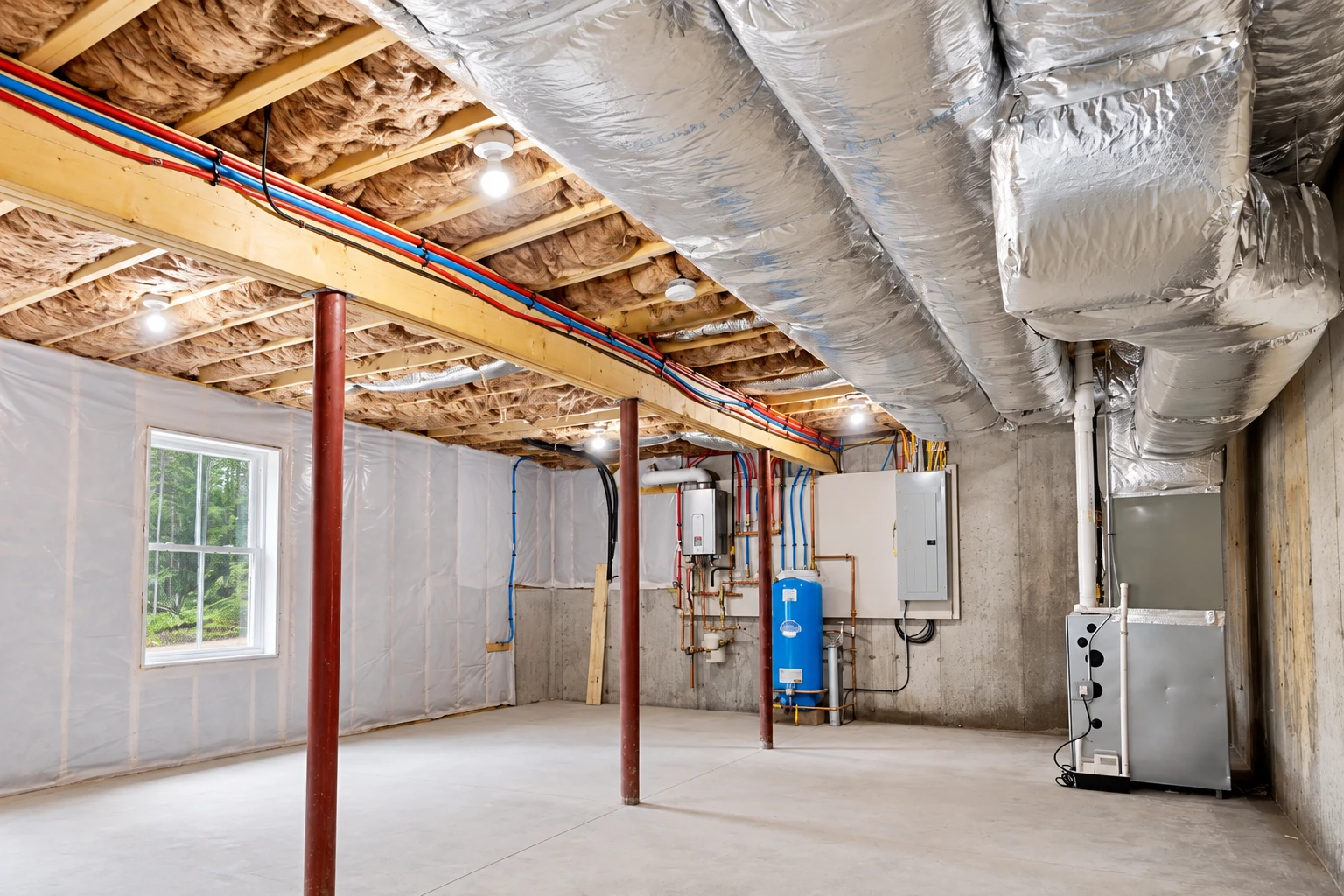
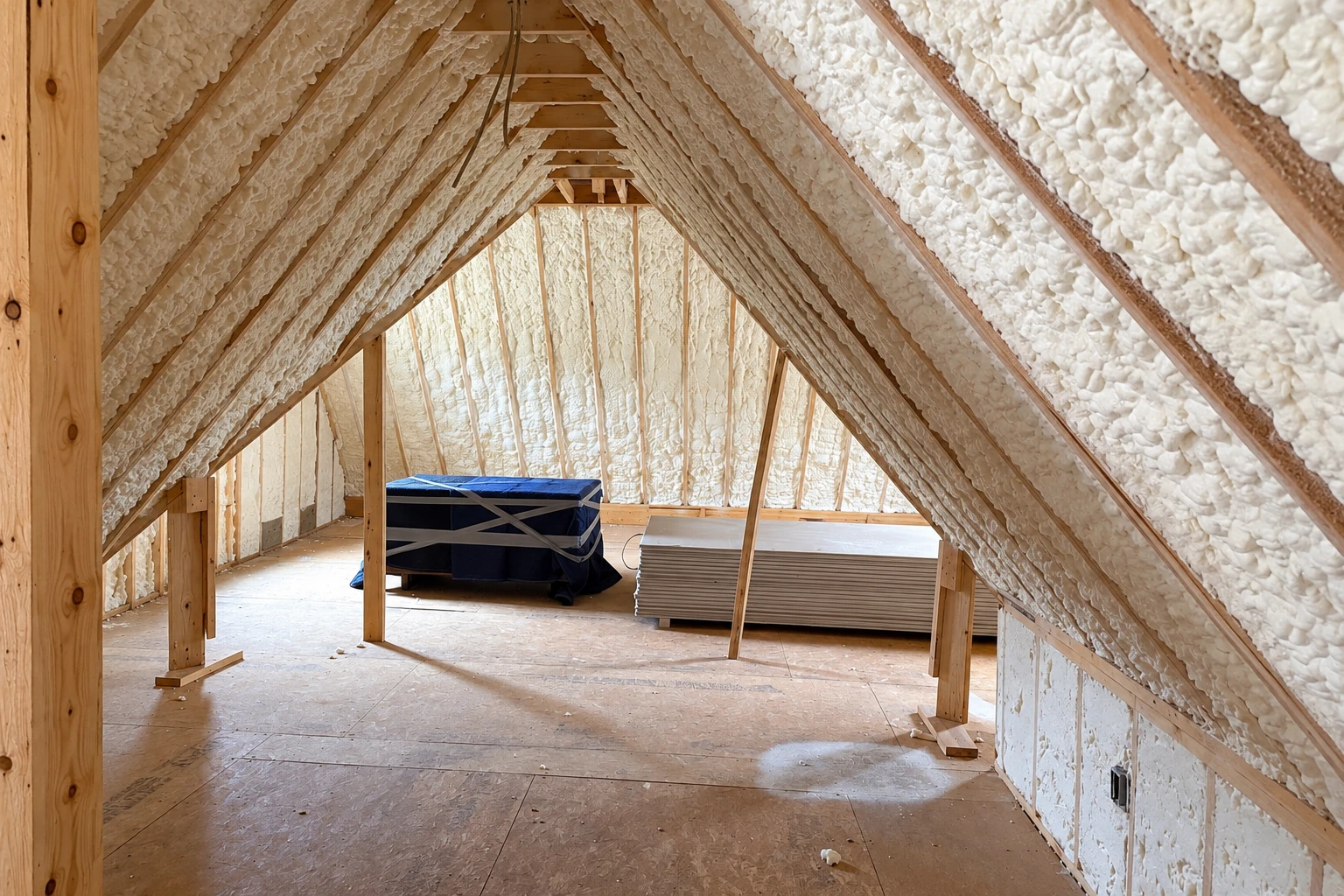
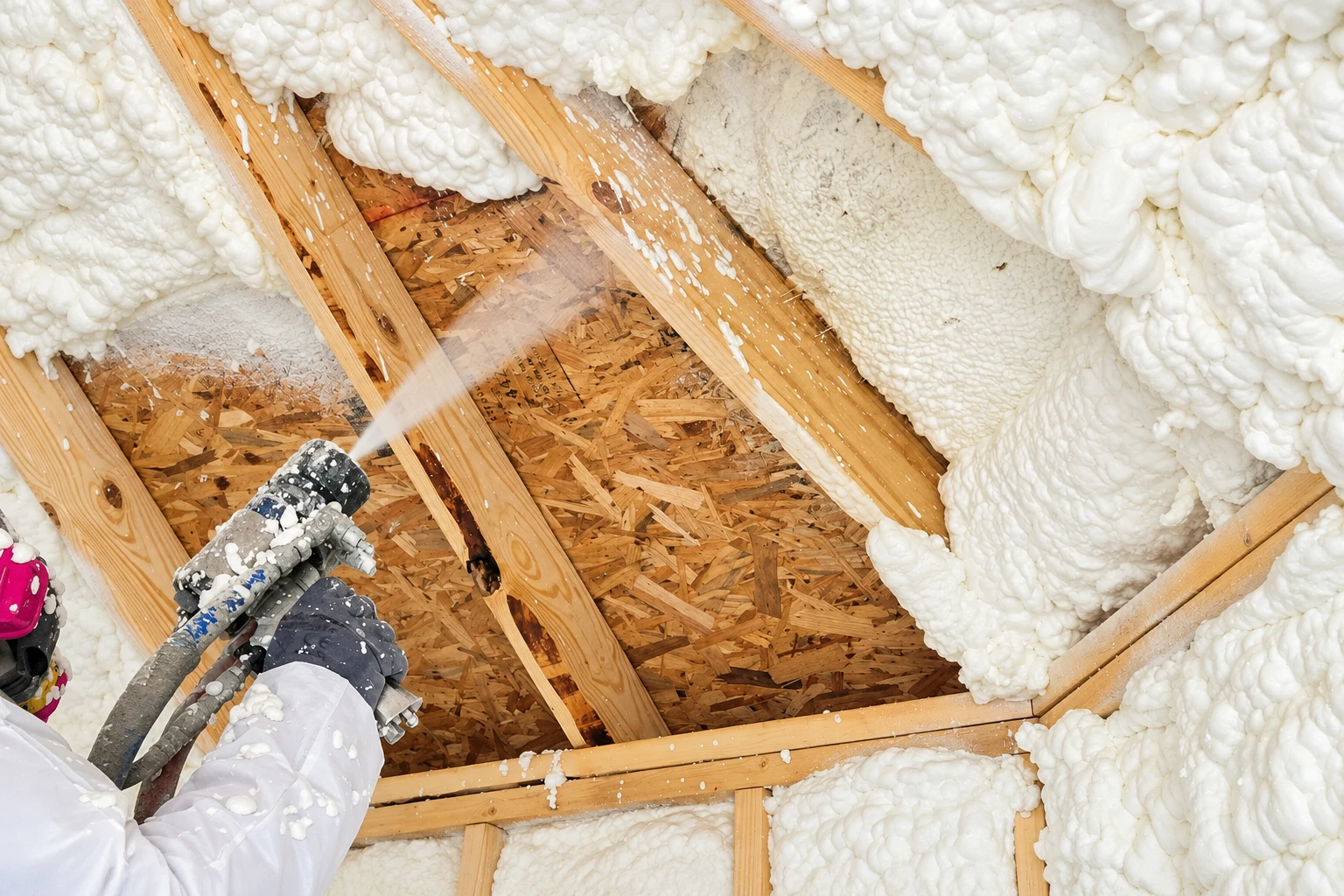
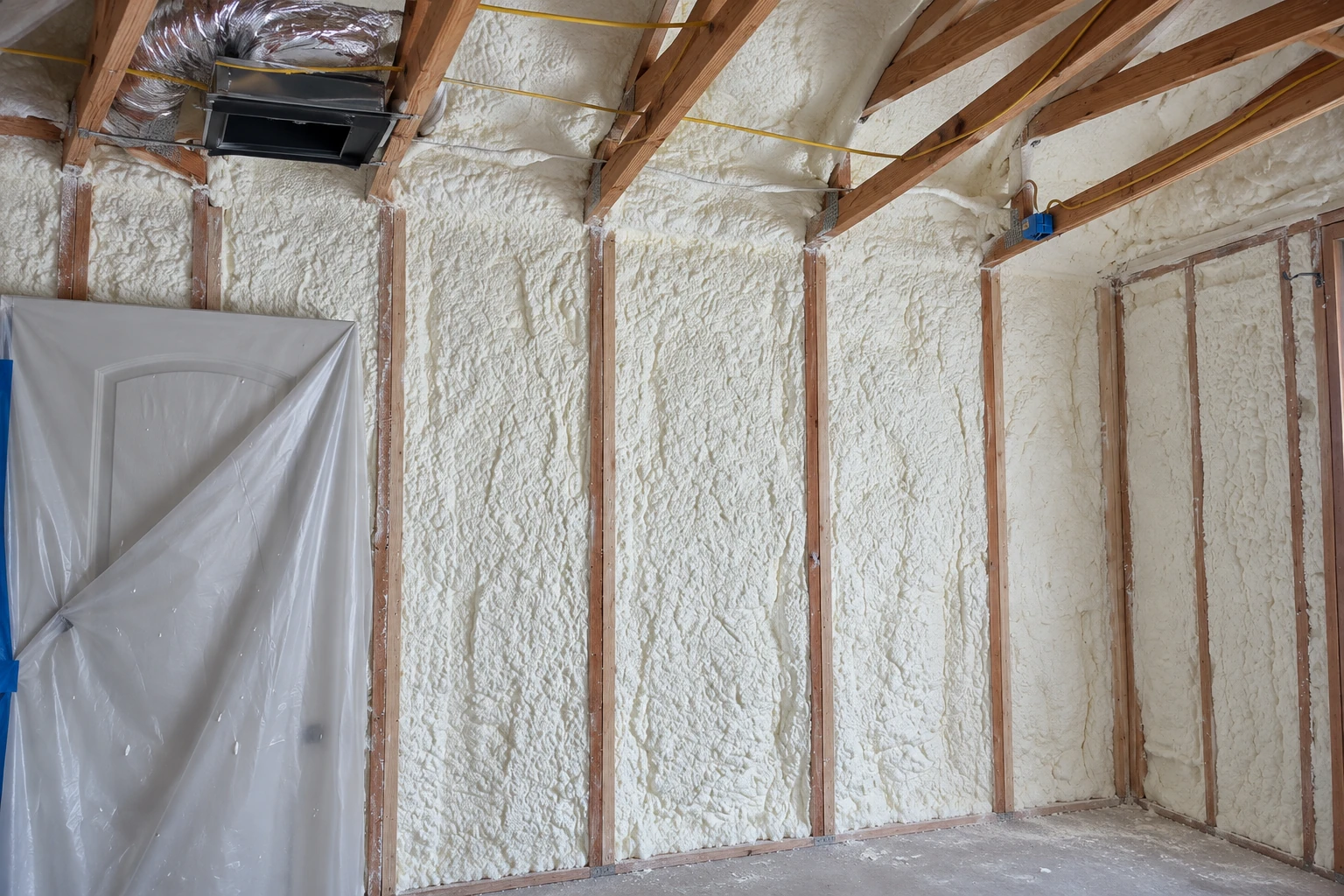
What basement insulation looks like
How we handle basement insulation
I start by looking the whole basement over for water coming in, damp spots and pest damage, because insulation put over a wet wall just hides the problem until it shows up in the framing. From there, whether your walls are open or already finished decides the method. On bare concrete we can put foam straight onto the wall, or build a framed wall in front of it and fill that with batts or blown-in insulation, which is loose fill sent through a hose. Either way, we keep the fiber from resting against the concrete, where it can soak up moisture. In a finished basement we usually blow insulation into the framing through small drilled holes so your drywall stays up. Rigid foam board makes one unbroken layer that stops heat from slipping through the studs, but it makes running pipes and wiring harder later, so I'll ask what you have planned for the room before we pick it.
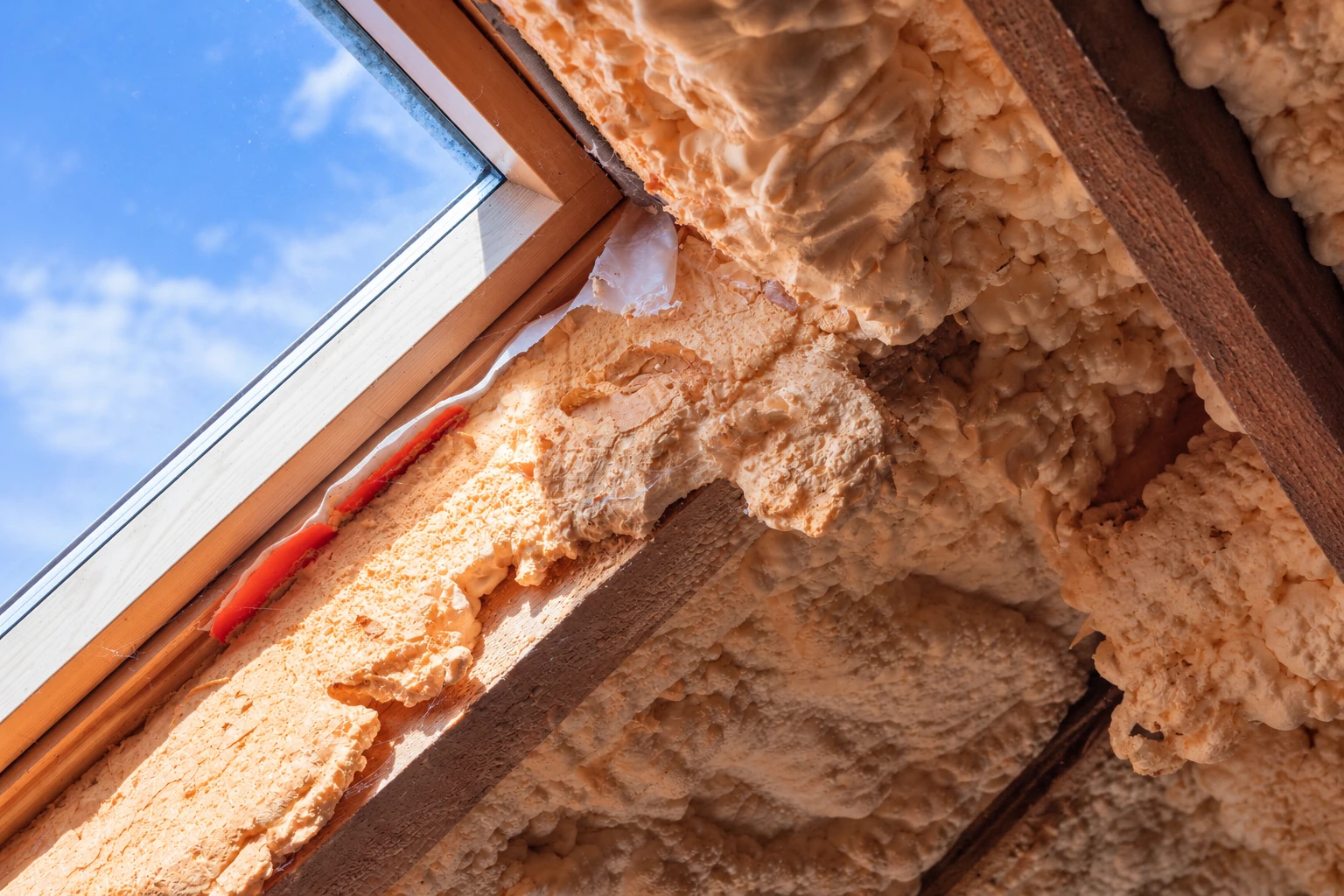
Foam is where most of the choice comes down. Closed-cell foam insulation is dense, blocks moisture and seals air while it insulates, so it suits a bare foundation wall, though it costs more than fiber. Open-cell foam insulation is softer and costs less, and it fits better above grade, in the walls and rooflines upstairs, than against a basement wall.
Why Lancaster homeowners call Balanced Lancaster Insulation Company for basement insulation
I come out for the estimate
I look at your basement myself before I write anything up, and a longtime crew lead runs the work with our installers while I check in during the job. At the end I walk it with you, so the person who priced it is the one who signs off on it.
Commercial habits, here since 2013
I learned this trade on office buildings and warehouses where every stage got checked before anything was closed in, and I started this business in Lancaster in 2013 to bring that to homes. On a basement, that means the wall gets checked before it gets covered, because that's your one good look at it.
Fully licensed and insured
We're fully licensed and insured. California's state licensing board sets a C-2 class for contractors who install insulation for heat or sound control, so it's fair to ask anyone you hire about their license before they start.
Insulated to your climate zone
California's Energy Code splits the state into climate zones and sets the standards for a house's outer shell by zone, so a Lancaster job follows the standards for the zone your house sits in. We're based in Lancaster and work in Palmdale, Quartz Hill, Rosamond and many of the cities around them.
On a basement, what matters most is catching water before anything gets covered. Call (661) 952-4049 or send us a note and I'll come take a look.
Get a written estimate for your basement
Send the form and we'll reply within one business day to set up a visit. I come out myself, the on-site estimate is free and there's no obligation.
- Fully licensed and insured.
- Free in-person estimates.
- We reply within 1 business day.
What happens when you call about basement insulation
Call or send the form
Call (661) 952-4049 or use the form, and we'll set up a time to come out. It helps to have the basement's square footage handy, whether the walls are bare or finished, and which fuel-burning appliances sit down there.
I look and write it up
I come out myself, look over the walls and anything that needs fixing first, then give you a written estimate. It lays out the method, what has to happen before we insulate and the price, so you know what you're paying for before we start.
Our crew does the work
My crew lead runs the job with our installers, and we seal the gaps before we insulate so the new layer isn't fighting a draft. I check in along the way.
We walk it together
When the work is done, I walk the finished basement with you and go over what we did. Satisfaction guaranteed on every job, and that walk-through is where you tell me if anything doesn't look right.
Basement insulation questions in Lancaster
How much does basement insulation cost in Lancaster, CA?
Insulating a basement across the US usually costs about $4.40 to $6.40 per square foot, and that's a national figure, not our price. Where yours lands depends on the square footage, whether the walls are bare or finished, which method fits and anything that has to be fixed first. I look at the basement in person and give you a written estimate with your own number.
What is the best way to insulate a finished basement?
In a finished basement, insulation can usually be blown into the framing through small drilled holes, so the drywall stays where it is. Bare walls open up more choices, like foam right on the concrete or a framed wall filled and finished with drywall.
Should I insulate the basement walls or the floor above it?
Insulating the walls generally works better, but it usually costs more because it takes more insulation and more labor. Some owners insulate the floor above instead to save money, and that can make sense for a basement you only use for storage. If you use the room, or the furnace and ductwork live down there, I'd lean toward the walls.
Is fiberglass a good choice against basement walls?
Fiberglass or cellulose pressed against a basement wall can soak up a lot of moisture and stay damp, so if you go with batts or blown fiber, ask how the plan keeps it off the bare wall. It's also worth asking what goes on the room side, since guidance leaves out the tightest kind of vapor barrier, called Class I, on that side of fiberglass, cellulose or mineral wool.
Does foam board insulation in a basement need to be covered?
Yes, foam board on a basement wall has to be covered because of fire rules on how fast flame spreads, except for some foil-faced products. Drywall over the foam meets building code as a thermal barrier, which is a fire-resistant cover, so plan on the foam ending up behind a finished wall.
How do I make sure my furnace and water heater are safe after insulating the basement?
Have them checked before and after the basement is sealed and insulated, because a tighter basement can change how fuel-burning equipment gets its air. Unless the equipment is sealed-combustion, with its own outside air inlet, the plan should include a combustion safety check by a qualified contractor. Tell me what's down there when you call so I can plan around it.
Foam options for basement insulation
Closed-cell foam insulation
Dense foam that goes straight onto bare concrete and keeps ground moisture out while it insulates, which suits an unfinished foundation wall.
Open-cell foam insulation
A lighter, lower-cost foam for the walls and rooflines above the basement, where damp from the ground isn't the worry.